Nerve Pain Treatment: Your Health, Our Priority
Nerve Pain
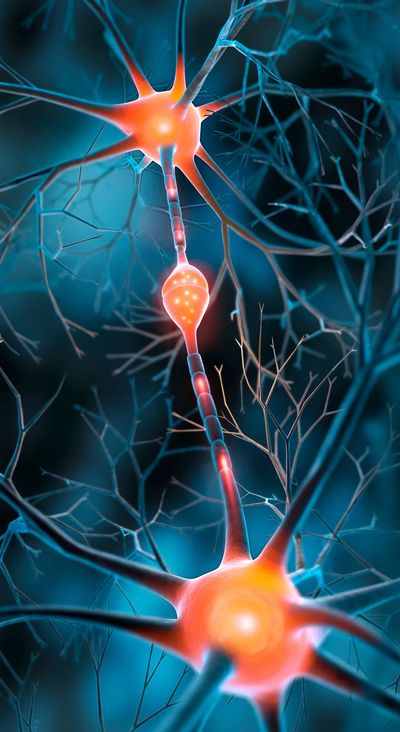
Nerve pain—also referred to as neuropathic pain—feels distinctly different from the usual aches or muscle pains most people experience occasionally. It occurs when the nerves themselves are irritated, damaged, or not functioning properly. Instead of transmitting normal signals, these nerves send pain signals to the brain, even in the absence of a clear cause.
Individuals often describe nerve pain as burning, shooting, stabbing, or reminiscent of electric shocks. In some cases, even a light touch, such as clothing brushing against the skin, can trigger this discomfort. For others, it may manifest as pins and needles, numbness, or an ongoing tingling sensation that persists.
Nerve pain can be attributed to various factors—diabetes, shingles, nerve injuries, surgical procedures, back issues like herniated discs, or certain infections. Sometimes determining the exact cause can be challenging. However, it's crucial to note that nerve pain typically doesn’t respond effectively to standard pain medications, often requiring more specialized nerve pain treatments.
What Can Be Done to Treat Nerve Pain?
Fortunately, several treatments are available to help manage nerve pain and make it more tolerable. It may take some experimentation to discover what works best for you.
• Medications: There are specific medications designed to calm irritated nerves, including certain antidepressants and anti-seizure drugs.
• Nerve Blocks: If the pain originates from a particular area, a nerve block may be helpful. This procedure involves an injection of numbing medication, sometimes combined with steroids, near the affected nerve.
• Pulsed Radiofrequency (PRF): For those who find nerve blocks helpful but not long-lasting, pulsed radiofrequency may be an option. This procedure utilizes a mild electrical current to target the nerve, soothing it without causing damage.
• RACZ Catheter Procedure: For individuals experiencing nerve pain due to scar tissue or inflammation around the nerves—often resulting from back surgery or disc issues—there is a specialized treatment known as the RACZ catheter procedure (or epidural lysis of adhesions).
• Botox Injections: Interestingly, Botox injections aren't just for cosmetic purposes; they can also alleviate certain types of nerve pain. Botox works by blocking the nerve signals responsible for pain and relaxing the muscles surrounding the irritated nerve.
If you're struggling with nerve pain, remember that you don’t need to endure it silently. There are options available, including treatments that target the nerve directly, to help manage your pain and enhance your quality of life. The best initial step is to speak with your healthcare provider about your symptoms and determine which nerve pain treatments may be appropriate for you.